
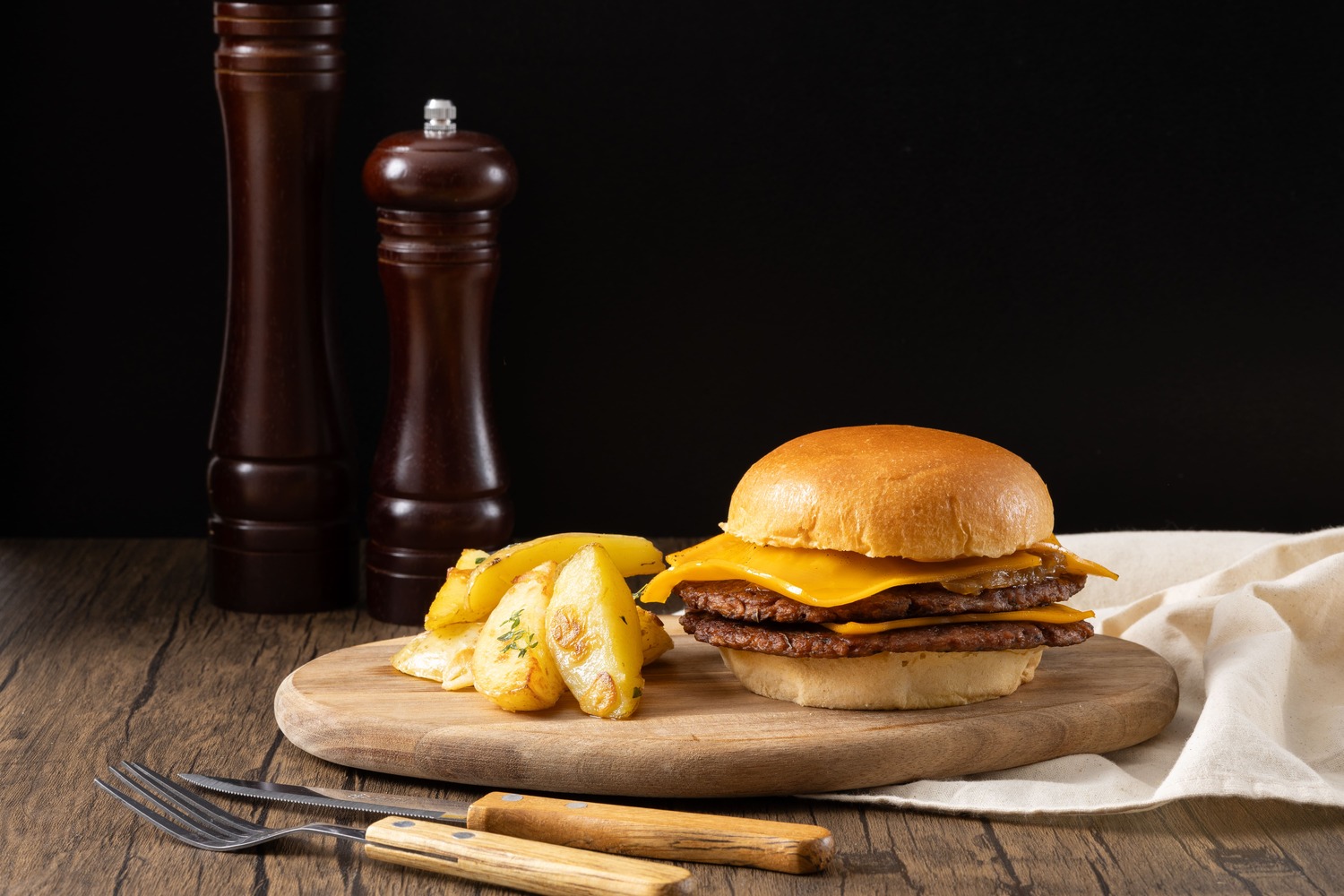
How many times have you bought a vegan burger that promised so much only to be disappointed? Dry, mushy, with a strange taste, or falling apart in the pan. If this has happened to you, you’re not alone. The market is full of options, and not all of them are worth your money.
What is the best vegan burger?
The best vegan burger combines high protein content (at least 15–20 g per 100 g), a firm texture that holds up well during cooking, clean ingredients free of genetically modified soy, and a flavor that appeals even to non-vegans. In Spain, the most highly rated options are those made with textured soy protein, such as those from BeanStalk Foods , which also include vitamin B12 and iron, key nutrients in plant-based diets.
If protein is your priority, look for burgers with soy protein concentrate or isolate as the first or second ingredient. If flavor is your priority, choose recipes with natural spices, yeast extract, and plant-based colorings like beetroot red, which mimic the appearance of meat without artificial additives.
What to look for before buying a vegan burger
Not all veggie burgers are created equal. Here are the 5 most important criteria:
- Protein content: Look for at least 15g per 100g of product. Soy protein is the most complete among plant-based sources.
- Ingredients: The fewer and more recognizable, the better. Be wary of endless ingredient lists.
- No genetically modified soy: this is a quality indicator. Some brands clearly specify this on the packaging.
- Texture and behavior when cooking: a good vegan burger should withstand the griddle without falling apart and have a surface that browns well.
- Micronutrient intake: vitamin B12 and iron are especially important for those who follow vegan or vegetarian diets.
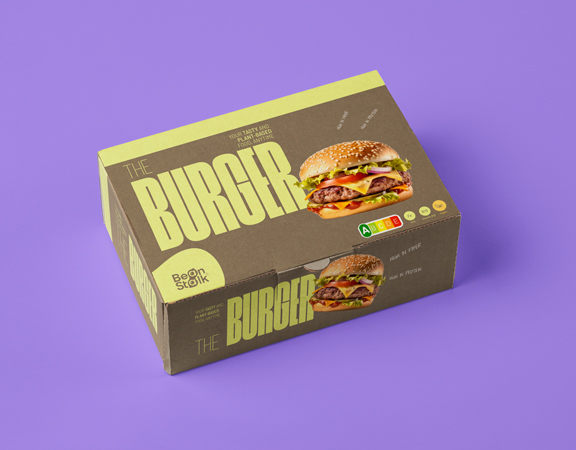
Comparison: types of vegan burgers according to their use
For everyday use at home
If you cook vegan burgers several times a week, you need an option that’s easy to prepare, affordable, and that the whole family will enjoy, including non-vegans. Burgers made with textured soy protein are ideal because they have a firm texture, absorb seasonings well, and can be cooked on a griddle, in the oven, or even on the barbecue.
For athletes and active people
If you exercise and watch your diet, protein is a priority. A quality vegan burger can provide between 20 and 25 grams of protein per serving, comparable to a beef burger. Look for options with soy protein concentrate or isolate as the main ingredient and without excessive saturated fat.
For restaurants and professional kitchens
In the restaurant industry, vegan burgers must perform well under high-demand conditions: they must hold up well during service, have an attractive presentation, and satisfy non-vegan customers. Professional-format options (bulk or tray), with a texture that browns well and holds its shape, are the most valued by chefs and foodservice operators.
Common mistakes when choosing vegan burgers
- Don’t just focus on the price: a cheaper burger usually has less protein and more water or starches as filler.
- Ignore the ingredient list: if it has more than 15–20 ingredients and many are additives, it’s probably not the best choice.
- Don’t try different cooking methods: many burgers improve a lot when baked instead of grilled, or when marinated beforehand.
- Buy based solely on brand: there are lesser-known brands that offer better value for money and greater nutritional value.
Frequently asked questions about vegan burgers
Do vegan burgers have enough protein?
Yes, if you choose wisely. Burgers made with soy protein can provide between 15 and 25 grams of protein per 100 grams, an amount comparable to beef. The key is to check the nutrition label and ingredients.
Are vegan burgers healthy?
It depends on the product. Those made with natural ingredients, without trans fats, and enriched with vitamin B12 and iron are a very healthy option. They provide protein, fiber, and essential micronutrients with a much smaller environmental footprint than animal meat.
What is the difference between a vegan burger and a vegetarian burger?
A vegetarian burger may contain animal-based ingredients such as eggs or dairy. A vegan burger contains no animal-based ingredients. Both can be equally nutritious, but the vegan option is suitable for a wider range of people.
Why choose BeanStalk Foods vegan burgers?
At BeanStalk Food , we make our plant-based burgers with concentrated soy protein (19.3%), free of genetically modified soy, with natural beetroot coloring for a more appealing appearance, and enriched with vitamin B12 and iron. The result is a high-protein, fiber-rich, and 100% vegan burger.
Furthermore, our products are available to both the end consumer and the restaurant and wholesale distribution channel, with a production capacity that guarantees constant supply and certified quality (FSSC 22000, ISO 9001, HALAL, HACCP).
The vegan burger market has grown significantly in recent years, which is a good thing. But not all products are created equal. Before buying, check the protein content, the ingredients, and whether it includes essential nutrients like vitamin B12 and iron. A good vegan burger doesn’t have to taste like a compromise.