
Did you know that you can get all the protein your body needs without eating meat? Plant-based protein comes from sources such as soybeans, peas, legumes, and grains. It provides the essential amino acids your body needs to build muscle, maintain strong bones, and have energy throughout the day.
The best sources of plant-based protein include textured soy protein (up to 50g of protein per 100g), chickpeas, lentils, tofu, tempeh, and processed products such as veggie burgers and nuggets. Not only do these foods match meat in protein content, but they are also more sustainable: their production uses 90% less water and generates 90% fewer greenhouse gas emissions.
What exactly is plant protein?
Plant protein is the nutrient we get from plant-based foods. It works just like animal protein: your body breaks it down into amino acids and uses them to repair tissue, create enzymes, and keep your immune system functioning.
The main difference lies in the origin. While meat comes from animals, plant-based protein is extracted from plants such as soybeans, peas, or wheat. Thanks to current food technology, this protein can be transformed into products with textures and flavors similar to traditional meat.
Soy is a complete protein. This means it contains all 9 essential amino acids that your body cannot produce on its own. That’s why it’s the basis for many high-quality plant-based products.
Benefits of including plant-based protein in your diet
Incorporating plant-based protein into your diet has specific advantages:
For your health
- 0% trans fats: quality plant-based products do not contain this type of fat, which is harmful to the heart.
- High fiber content: aids digestion and keeps you feeling full longer
- Vitaminas y minerales añadidos: muchos productos incluyen vitamina B12 y hierro para cubrir posibles carencias
- Cholesterol-free: plant proteins do not naturally contain cholesterol.
For the planet
Plant-based protein production requires 90% less water, 90% less land, and generates 90% fewer greenhouse gas emissions compared to animal meat. Every time you choose a plant-based product, you are helping to reduce your environmental footprint.
Types of plant protein and where to find it
There are two main ways to consume plant-based protein:
Natural foods rich in protein
- Legumes: chickpeas (19g/100g), lentils (9g/100g cooked), beans
- Soy derivatives: tofu (8–15 g/100 g), tempeh (19 g/100 g), edamame
- Nuts and seeds: almonds, walnuts, hemp seeds, and chia seeds
- Grains: quinoa (complete protein), oats, brown rice
Ready-to-eat processed products
If you are looking for convenience without sacrificing nutrition, plant-based products are your best option. At BeanStalk Foods, we work with non-GMO soy protein to create alternatives that maintain the flavor and texture of traditional meat:
- Veggie burgers: with 19.3% concentrated soy protein, vitamin B12, and iron
- Chicken-style nuggets: crispy on the outside, tender on the inside, high in protein
- Vegetable meatballs: perfect for pasta, stews, or tapas
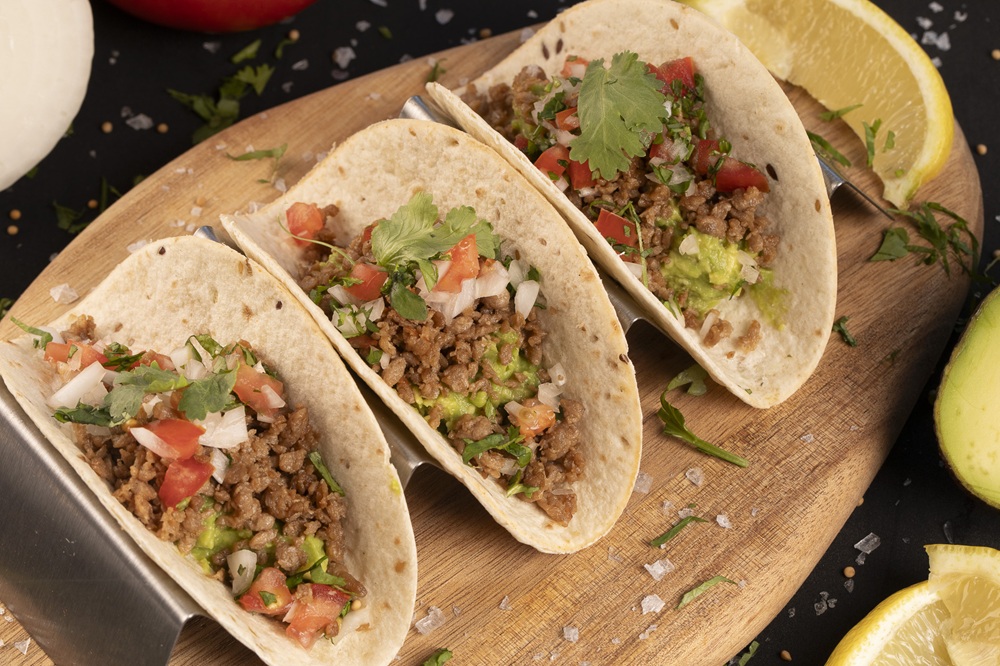
- Minced protein: ideal for tacos, Bolognese sauce, or any recipe with minced meat
- Chorizo snacks: for snacking between meals, with 34-36% protein
Frequently asked questions about plant protein
¿La proteína vegetal es tan completa como la animal?
La proteína de soja sí lo es. Contiene los 9 aminoácidos esenciales en proporciones adecuadas. Otras fuentes vegetales pueden combinarse para obtener un perfil completo (por ejemplo, legumbres con cereales).
¿Cuánta proteína vegetal necesito al día?
La recomendación general es de 0,8g por kilo de peso corporal. Si pesas 70kg, necesitas aproximadamente 56g de proteína diaria. Con dos hamburguesas vegetales y una ración de legumbres ya estarías cerca de cubrirlo.
¿Los productos plant-based son ultraprocesados?
Depende del fabricante. En BeanStalk utilizamos ingredientes reconocibles: proteína de soja, aceite de soja, especias y vitaminas añadidas. Sin soja transgénica, sin grasas trans y con certificaciones de calidad como FSSC 22000, ISO 9001 y HACCP.
Take the step towards plant-based protein
Plant-based protein is no longer a compromise. It is a real, nutritious, and delicious option that more and more people are choosing for health, ethical, or environmental reasons. With high-quality products, the change is easier than you might think.
Want to taste the difference? At BeanStalk Foods, we make plant-based products in Asia’s largest production facility, using non-GMO soybeans and the highest quality standards.