
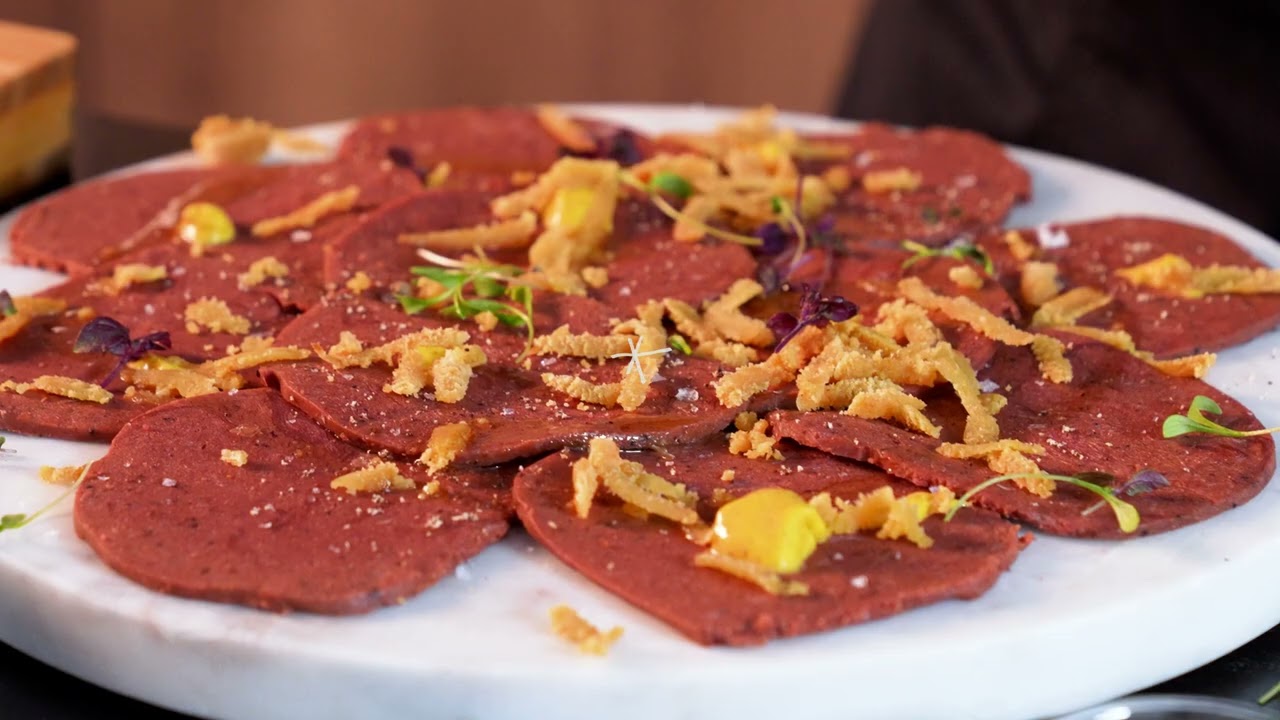
A plant-based diet is an eating pattern that prioritizes fruits, vegetables, legumes, whole grains, nuts, and seeds, while reducing or eliminating animal products.
Unlike strict veganism, a plant-based diet allows for some flexibility: the important thing is that the base of your plate is always vegetables.
According to a review of 49 studies published in PLOS ONE in 2024, this type of diet is associated with a lower risk of cardiovascular disease, certain types of cancer, and overall mortality.
What foods are included in a plant-based diet?
Plant-based nutrition is built on five main groups:
- Fruits and vegetables: the foundation of every meal. The more variety of colors, the better.
- Legumes: lentils, chickpeas, beans, peas, and soybeans. They are your main source of plant-based protein.
- Whole grains: brown rice, oats, quinoa, buckwheat and wholemeal bread.
- Nuts and seeds: walnuts, almonds, chia, flax, and sesame. They provide healthy fats and minerals.
- Plant-based alternatives: burgers, nuggets, meatballs and other products made with plant-based protein that facilitate the transition without losing the textures and flavors you already know.
Real benefits of following a plant-based diet
This is not a passing fad. Science backs up the benefits of plant-based diets with decades of research:
Cardiovascular health
A Harvard study published in The American Journal of Clinical Nutrition (2024), which followed more than 200,000 people for 30 years, found that those who consumed a higher proportion of plant protein versus animal protein had a 19% lower risk of cardiovascular disease and a 27% lower risk of coronary heart disease.
Weight control
Plant-based diets are typically higher in fiber and lower in calories, promoting a natural feeling of fullness. Intervention studies have demonstrated positive effects on body weight over periods of up to 24 months.
Less inflammation
Research shows that a higher intake of dietary fiber, abundant in legumes, fruits, and whole grains, helps reduce markers of inflammation in the body.
How to start your plant-based diet in 3 easy steps
1. Don’t change everything at once.
The most common mistake is trying to transform your diet overnight. Start by incorporating one 100% plant-based meal a day. A meatless Monday, a breakfast of oatmeal and fruit, or a dinner based on legumes are good starting points.
2. Find your favorite substitutes
This is where products like Beanstalk’s make all the difference. When you’re craving a burger, nuggets, or meatballs, you don’t have to give up those dishes: you simply swap the main ingredient for its plant-based version. This makes the transition natural and sustainable over time.
3. Plan your week
Spend 15 minutes on Sunday planning your meals. A simple weekly menu will prevent last-minute changes and help you always have vegetable options in the fridge and freezer.
Frequently asked questions about the plant-based diet
Will I get enough protein?
Yes. Legumes, nuts, soy, quinoa, and plant-based protein products like Beanstalk (made with pea and soy protein, among others) provide all the amino acids your body needs. The key is to vary your sources throughout the day.
Is plant-based the same as vegan?
Not exactly. Veganism is a lifestyle philosophy that excludes all animal products in every area (food, clothing, cosmetics). A plant-based diet focuses on food and allows for greater flexibility. Many people who follow a plant-based diet consider themselves flexitarians: they prioritize plant-based foods without completely eliminating animal products.
Do I need supplements?
The most important nutrient to monitor is vitamin B12, which is found primarily in animal-based foods. If you significantly reduce or eliminate these foods, a B12 supplement is recommended. It’s also advisable to pay attention to vitamin D, iron, calcium, and omega-3 fatty acids, although all of these can be obtained through a well-planned diet and, in some cases, fortified foods.
Is plant-based food more expensive?
There’s no need to. Legumes, whole grains, and seasonal vegetables are some of the most affordable foods at the supermarket. Plant-based protein products like veggie burgers or nuggets are increasingly competitively priced and offer excellent nutritional and nutritional value.
Your next step is easier than you think
Starting a plant-based diet doesn’t require perfection or radical changes. It’s about gradually adding more plants to your plate, one day at a time, and having products that make that transition pleasant.
At Beanstalk, we create plant-based alternatives with real flavor and satisfying textures, designed for people like you who want to eat better without the hassle. From burgers and nuggets to meatballs and snacks, we have everything you need to keep your fridge stocked with plant-based meals.
Want to discover your favorite product? Explore our vegan products and find where to buy them near you.